Is That Normal Dog Panting or a Problem? Signs To Watch For and When to Call the Vet
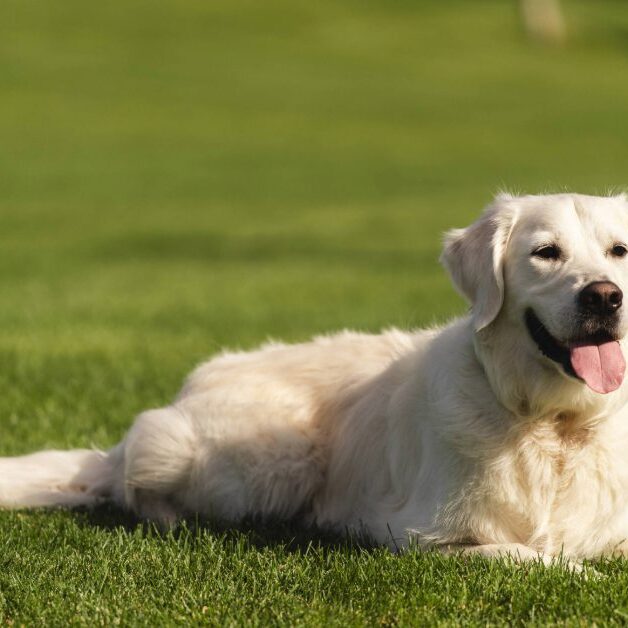
Dogs pant. It is one of the most recognizable things they do, right up there with tail wagging and zoomies. But not all dog panting is the same, and knowing the difference between normal panting and panting that signals a problem could genuinely save your dog’s life. Dog panting is primarily a cooling mechanism, since dogs do not sweat the way humans do. However, heavy or abnormal panting in dogs can also be a sign of pain, respiratory distress, anxiety, heatstroke, or serious illness. This guide breaks down what normal dog panting looks like, the warning signs that panting has moved into problem territory, and exactly when you should call your veterinarian.
Why Do Dogs Pant? Understanding Normal Dog Panting
Normal dog panting serves a clear biological purpose. Unlike humans, dogs have very few sweat glands, and those are located primarily on their paw pads. To cool down, dogs rely on panting, which causes moisture on the tongue and the surfaces of the respiratory tract to evaporate, carrying heat away from the body. It is an efficient system, but it does have its limits.
Normal reasons a dog pants include:
- Exercise and physical exertion
- Warm environmental temperatures
- Excitement or playfulness
- Mild stress or anticipation, such as before a walk or car ride
- After drinking water or eating
In these situations, panting should resolve within a reasonable period of rest or cooling. The dog should appear comfortable and return to normal breathing without difficulty. If panting persists or is disproportionate to the situation, it deserves a closer look.
What Does Abnormal Dog Panting Look Like?
Abnormal or excessive panting in dogs differs from normal cooling panting in several ways. Learning to recognize these differences is one of the most valuable things a dog owner can do. Heavy dog panting that is a cause for concern often looks or sounds different from typical post-exercise panting.
Signs That Panting Is Not Normal
Pay attention if your dog’s panting has any of the following characteristics:
- Occurs at rest, in a cool environment, or at night
- Louder or more labored than usual
- Accompanied by a bluish, pale, or white tinge to the gums or tongue
- Paired with restlessness, pacing, or inability to get comfortable
- Does not slow down after rest and cooling
- Panting with a strange noise, like a raspy or wheezing quality
- Happens alongside visible distress, drooling, or vomiting
Any of these features suggest that panting is no longer just a cooling response. Several underlying causes can produce this type of abnormal panting, and most of them require veterinary evaluation.
Common Causes of Abnormal or Excessive Panting in Dogs
There is a long list of conditions that can cause a dog to pant heavily or abnormally. Understanding the most common causes can help you communicate effectively with your veterinarian and recognize urgency when it exists.
Heatstroke
Heatstroke is one of the most serious causes of heavy dog panting and is a genuine emergency. It occurs when a dog’s body temperature rises to dangerous levels, often due to being left in a hot car, exercising in high heat, or being outdoors in extreme temperatures without access to shade or water. Dogs experiencing heatstroke pant intensely and rapidly, and may also drool heavily, appear disoriented, vomit, or collapse. This condition can cause organ damage and death within minutes. If you suspect heatstroke, get your dog to a veterinarian immediately.
Pain or Discomfort
Dogs often pant when they are in pain, even when they are not exerting themselves. A dog panting at night for no apparent reason, or a dog that starts panting suddenly without physical exertion or heat exposure, may be experiencing pain. This could be due to injury, arthritis, abdominal pain, dental disease, or any number of other conditions. Since dogs do not always vocalize pain, changes in breathing patterns like unexplained panting are an important signal to take seriously.
Respiratory Disease
Conditions affecting the lungs or airways can cause a dog to pant or breathe heavily as the body works harder to get enough oxygen. Pneumonia, laryngeal paralysis, tracheal collapse, and pleural effusion (fluid around the lungs) can all produce heavy, labored panting. Brachycephalic breeds, such as Bulldogs, Pugs, and French Bulldogs, are particularly prone to respiratory issues due to the structure of their airways and may pant heavily even under normal circumstances, though significant changes from their individual baseline are still worth evaluating.
Heart Disease
When the heart is not pumping effectively, it can lead to fluid buildup in or around the lungs, making it difficult to breathe. Dogs with heart disease may pant excessively, tire easily during exercise, cough, and have reduced energy levels. Heart disease is more common in older dogs and certain breeds, and it tends to develop gradually, so owners may not notice the early stages. Persistent heavy breathing or panting in a senior dog warrants a cardiac evaluation.
Anxiety and Stress
Anxiety is a significant and frequently underappreciated cause of dog panting. Dogs that are fearful of thunderstorms, fireworks, car rides, strangers, or veterinary visits often pant heavily during or leading up to these events. Separation anxiety can also trigger panting, sometimes even when the dog appears outwardly calm. If your dog pants in situations that seem emotionally stressful, this is worth addressing, not only for comfort but for long-term wellbeing.
Hormonal Conditions
Cushing’s disease (hyperadrenocorticism) is a hormonal condition common in middle-aged to older dogs that causes elevated cortisol levels. One of the hallmark signs of Cushing’s disease is excessive panting, often at rest and frequently at night. Other symptoms include increased thirst and urination, a pot-bellied appearance, hair loss, and increased appetite. Hypothyroidism and other hormonal imbalances can also affect how a dog breathes and regulates body temperature.
Medication Side Effects
Certain medications, particularly corticosteroids like prednisone, can cause increased panting as a side effect. If your dog recently started a new medication and you notice a change in breathing or panting behavior, contact your veterinarian to discuss whether the medication may be contributing and what options are available.
Dog Panting at Night: What It Could Mean
Nighttime panting is particularly noticeable because it disrupts sleep for both dogs and their owners, and it often signals something that warrants attention. Normal panting does not happen at rest during calm nighttime hours. When a dog pants at night, possible causes include pain, anxiety, Cushing’s disease, cognitive dysfunction in older dogs, or cardiac and respiratory conditions. If your dog is regularly panting at night, a veterinary visit is a good idea.
When to Call the Vet About Your Dog’s Panting
Some situations call for prompt veterinary attention. Call your Harrisonburg veterinarian right away if your dog is:
- Panting intensely after being in a hot car or in high heat (possible heatstroke)
- Panting with pale, blue, or white-colored gums
- Panting and unable to settle or get comfortable
- Panting along with a distended abdomen, retching, or collapse
- Showing new or worsening panting without an obvious environmental cause
- Panting at rest regularly, especially at night
When in doubt, calling your vet is always the right move. It is far better to check on something that turns out to be fine than to delay care when it is needed.
Paying Attention to Your Dog’s Breathing Patterns Pays Off
Your dog’s breathing is a window into how they are feeling, and changes in dog panting patterns are worth taking seriously. Most dogs pant for completely normal reasons, but when something shifts from your dog’s usual baseline, your instincts as a pet owner are telling you something. At Ashby Animal Clinic in Harrisonburg, VA, we are always here to help you figure out whether your dog’s panting is cause for concern or simply an enthusiastic response to a good game of fetch. If your dog is panting more than usual or you have noticed changes in their breathing, call (540) 433-9174 or use the online form to book an appointment.
About Us
Ashby Animal Clinic has proudly served the Harrisonburg community for over 50 years, offering personalized veterinary care for pets at every stage of life. With a dedicated team and a wide range of services, we focus on providing individualized attention and advanced medical support to every patient.
Have questions after reading this blog or need to schedule care for your pet? Call Ashby Animal Clinic or request an appointment online. We’re here to help!