Can Dogs Eat Marshmallows?
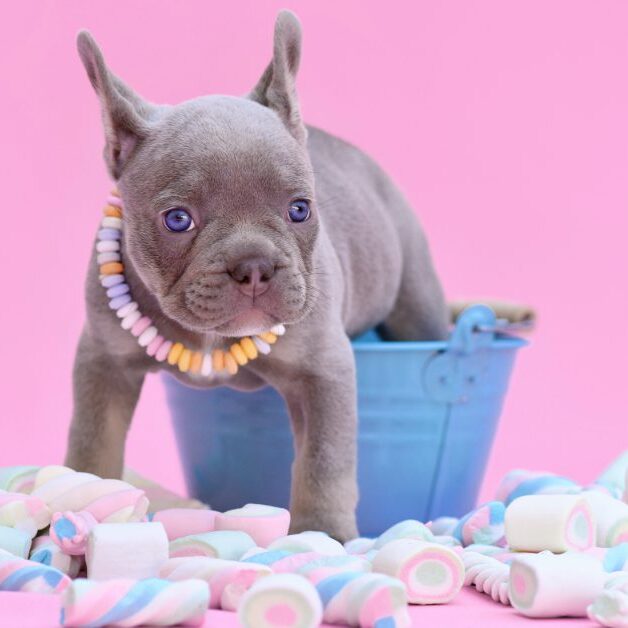
Your dog is staring at you with those irresistible eyes while you reach into the bag of marshmallows, and the question pops into your head: can dogs eat marshmallows? It is a fair question, and the answer is more nuanced than a simple yes or no. The short answer is that marshmallows are not recommended for dogs. While a plain, standard marshmallow is unlikely to cause a life-threatening emergency in a healthy dog, these fluffy treats offer no nutritional value and come with real risks, particularly if they contain the artificial sweetener xylitol. Before you share a s’more ingredient with your pup, here is what every dog owner should know about marshmallows and dogs.
Are Marshmallows Toxic to Dogs?
Whether marshmallows are toxic to dogs depends largely on what is in them. Standard marshmallows sold in grocery stores are made primarily from sugar, corn syrup, gelatin, and water. None of these ingredients are outright toxic to dogs in the way that, say, chocolate or grapes are. However, the high sugar content alone makes marshmallows a poor choice for dogs, and the real danger lies in certain varieties.
The Xylitol Problem
Some marshmallows, particularly sugar-free versions, are made with xylitol, an artificial sweetener that is extremely toxic to dogs. Xylitol causes a rapid and dangerous drop in blood sugar (hypoglycemia) in dogs and can also cause acute liver failure. The effects can appear within 30 to 60 minutes of ingestion and can be life-threatening. If you are not sure whether the marshmallows your dog consumed contain xylitol, check the label immediately and call your veterinarian at (540) 433-9174 or an emergency animal poison line right away. Always check the ingredient label before giving your dog any human food product, especially items marketed as sugar-free, diet, or low-calorie, as these commonly contain xylitol.
Why Regular Marshmallows Are Still Not Good for Dogs
Even if a marshmallow does not contain xylitol, it still is not a good treat for dogs. Here is why dogs should not eat marshmallows, even the plain kind:
- High sugar content: Marshmallows are essentially pure sugar. Dogs do not need added sugar in their diet, and regular sugar consumption contributes to obesity, dental disease, and can worsen conditions like diabetes.
- Empty calories: Marshmallows provide no protein, fiber, vitamins, or minerals. They are nutritionally worthless for dogs and take the place of something that could actually support your dog’s health.
- Digestive upset: Dogs that eat marshmallows may experience stomach upset, gas, diarrhea, or vomiting, especially if they eat more than a small amount.
- Choking hazard: The sticky, squishy texture of marshmallows can pose a choking risk, particularly for small dogs or dogs that tend to gulp food without chewing.
- Obesity risk: Treats that are high in sugar and calories contribute to weight gain, which is already a common and serious health issue in dogs.
What Happens If a Dog Eats a Marshmallow?
If your dog managed to swipe one regular marshmallow off the table, there is probably no need to panic. A single plain marshmallow is unlikely to cause serious harm in a medium or large dog, though smaller dogs are more vulnerable to the sugar load. What matters most is what kind of marshmallow it was and how many were consumed.
When to Be Concerned
Contact your veterinarian at Ashby Animal Clinic promptly if any of the following apply:
- Your dog ate sugar-free marshmallows or marshmallows of unknown ingredients
- Your dog ate a large quantity of any marshmallows
- Your dog is small and even a few marshmallows could represent a significant sugar load
- Your dog shows signs of distress, vomiting, diarrhea, weakness, or disorientation after eating marshmallows
- You are unsure whether xylitol was an ingredient
Signs of xylitol poisoning in dogs include vomiting, loss of coordination or balance, lethargy, collapse, and seizures. These symptoms can develop rapidly. If you suspect xylitol ingestion, do not wait to see how your dog does. This is a veterinary emergency.
Can Puppies Eat Marshmallows?
Puppies should absolutely not eat marshmallows. Their smaller size means that even a modest amount of sugar is proportionally more impactful on their body. Puppies are also still developing their digestive systems, and sugar-heavy foods are more likely to cause diarrhea, upset stomach, and discomfort. If a puppy ingests a marshmallow, particularly a sugar-free one, contact your veterinarian at Ashby Animal Clinic without delay.
Are There Any Treats That Are Actually Safe for Dogs?
The good news is that there are plenty of treats your dog can enjoy that are both safe and nutritious. Instead of marshmallows, consider offering your dog whole food snacks that provide real nutritional value. Many dogs enjoy small pieces of carrot, blueberries, plain cooked chicken or turkey, watermelon without seeds, or plain cooked sweet potato. These options give your dog the joy of a special snack without the risks that come with sugary, processed human foods.
When choosing any treat, it is a good rule of thumb to make sure treats make up no more than 10 percent of your dog’s total daily calorie intake. This helps maintain a healthy weight and prevents nutritional imbalances. If you are ever unsure whether a food is safe for your specific dog, especially if your dog has any underlying health conditions like diabetes or pancreatitis, checking with your veterinarian before offering it is always the right call.
What To Do If Your Dog Ate Marshmallows
If your dog just ate marshmallows and you want to know what to do, start by reading the ingredient label of the specific product to check for xylitol. If xylitol is listed, call your veterinarian or the ASPCA Animal Poison Control Center immediately. If the marshmallows were regular, sugar-based ones and your dog is a healthy adult of average size, monitor for signs of digestive upset and contact your vet if symptoms develop or if you remain concerned.
It is always appropriate to call your veterinarian when you have questions about what your dog has eaten. Your vet can help you assess the risk based on your dog’s size, health history, and the amount consumed.
The Bottom Line on Dogs and Marshmallows
So, can dogs eat marshmallows? Technically, one plain marshmallow is unlikely to cause a crisis in a healthy dog, but marshmallows are not safe or appropriate treats for dogs. The risks, especially from xylitol in sugar-free varieties, the empty sugar calories, and the potential for digestive upset, far outweigh any pleasure your dog might get from the treat. Your dog deserves snacks that are both delicious and genuinely good for them. If you have questions about your dog’s diet or what foods are safe to share, the team at Ashby Animal Clinic is happy to help. Give us a call at (540) 433-9174 or use the online form to book an appointment and we will make sure your pup is eating well and staying healthy.
About Us
Ashby Animal Clinic has proudly served the Harrisonburg community for over 50 years, offering personalized veterinary care for pets at every stage of life. With a dedicated team and a wide range of services, we focus on providing individualized attention and advanced medical support to every patient.
Have questions after reading this blog or need to schedule care for your pet? Call Ashby Animal Clinic or request an appointment online. We’re here to help!