Beyond the Slobber: 6 Causes of Excessive Drooling in Your Dog
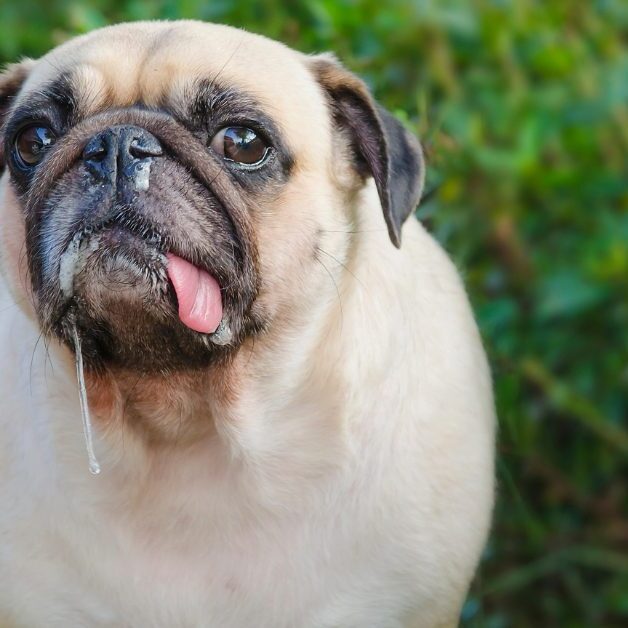
A little drool here and there is perfectly normal for dogs, but when the slobber becomes a stream, it is worth paying attention. Excessive dog drooling, known medically as hypersalivation or ptyalism, is your dog’s body sending a signal that something may be off. From minor annoyances like a stuck piece of food to more serious health concerns, the causes of heavy dog drooling vary widely. This blog walks you through six of the most common reasons dogs drool excessively, what signs to watch for alongside the drooling, and when it is time to call your veterinarian. Whether you are dealing with a dog that drools constantly or a sudden onset of abnormal salivation, understanding the cause is the first step toward helping your pet feel better.
What Is Considered Excessive Drooling in Dogs?
Not all dog drooling is created equal. Some breeds, like Bloodhounds, Saint Bernards, and Mastiffs, are naturally heavy droolers due to the structure of their lips and jowls. For these dogs, a steady stream of saliva is completely normal. Excessive or abnormal drooling becomes a concern when the amount of saliva is unusual for your specific dog, when drooling begins suddenly, or when it is accompanied by other symptoms.
Signs that dog drooling may be abnormal include:
- A sudden increase in saliva production compared to your dog’s baseline
- Drooling paired with pawing at the mouth, gagging, or retching
- Saliva that appears thick, foamy, or has an unusual odor
- Drooling alongside changes in behavior, appetite, or energy level
- Drooling that is concentrated to one side of the mouth
If your dog is drooling more than usual without an obvious reason like smelling food, it is worth investigating. Here are six of the most common causes.
1. Dental Disease and Oral Health Problems
One of the most frequent causes of excessive dog drooling is dental disease or other oral health issues. Periodontal disease, tooth root abscesses, fractured teeth, and inflamed gums can all cause a dog to produce more saliva than usual. The mouth is rich in nerve endings, and any pain or infection in that area naturally stimulates saliva production as the body tries to respond to the irritation.
Signs of Dental Problems in Dogs
Along with heavy drooling, dental issues often present with bad breath, difficulty chewing, dropping food from the mouth, pawing at the face, or reluctance to eat hard kibble. You may also notice swelling around the jaw or discoloration of the teeth. Because dogs instinctively hide pain, dental disease can progress significantly before obvious symptoms appear, which is why routine dental exams are so important.
Regular professional dental cleanings and at-home monitoring of your dog’s mouth can go a long way toward catching these problems early. If you notice your dog drooling excessively alongside any of the above signs, a veterinary dental exam is the right next step.
2. Nausea and Gastrointestinal Issues
Dogs drool when they feel nauseous, just like people tend to produce more saliva before vomiting. Gastrointestinal causes of dog drooling include motion sickness, dietary indiscretion (eating something that does not agree with them), intestinal parasites, gastritis, or more serious conditions like bloat. Nausea-related drooling often comes on suddenly and may be accompanied by lip licking, yawning, restlessness, or actual vomiting.
When GI Drooling Becomes an Emergency
Gastric dilatation-volvulus (GDV), commonly called bloat, is a life-threatening condition that can cause sudden and profuse drooling in dogs. It occurs when the stomach fills with gas and twists on itself, cutting off circulation. GDV is most common in large, deep-chested breeds and requires immediate emergency veterinary care. If your dog is drooling heavily, has a distended abdomen, is retching without producing vomit, and appears distressed, get to a veterinarian immediately.
3. Oral Foreign Bodies
Dogs explore the world with their mouths, which means they occasionally get things stuck in there. A splinter of bone, a piece of stick, a burr, or even a foxtail lodged in the gums, between teeth, or at the back of the throat can trigger sudden and significant dog drooling. The foreign object irritates the tissues and stimulates saliva flow as the body attempts to dislodge or neutralize the irritant.
If your dog suddenly starts drooling heavily after chewing on something or playing outdoors, inspect the mouth carefully if it is safe to do so. Look for redness, swelling, or anything that appears out of place. Even if you do not see anything obvious, a veterinarian can examine areas of the mouth that are difficult to see at home, such as under the tongue or deep in the throat.
4. Toxin or Poison Ingestion
Toxic substances can cause a sudden and dramatic increase in saliva production. Dogs that chew on toxic plants, lick or ingest household chemicals, consume certain medications, or come into contact with venomous insects or animals may experience excessive drooling as one of the first signs of poisoning. This type of drooling usually comes on quickly and is often accompanied by other symptoms.
Common Toxins That Cause Dog Drooling
Some of the most common sources of toxic exposure that can lead to heavy drooling in dogs include:
- Certain plants such as sago palm, azalea, and dieffenbachia
- Toad venom, particularly from the Bufo or cane toad
- Caustic household cleaners or detergents
- Human medications including some topical creams and flea treatments intended for cats
- Xylitol, a sugar substitute found in gum, candy, and some peanut butters
If you suspect your dog has ingested or come into contact with something toxic, contact your veterinarian or the ASPCA Animal Poison Control Center immediately. This is a situation where acting fast can make a significant difference in outcome.
5. Anxiety, Stress, and Motion Sickness
Psychological and emotional states have a direct effect on the body, and dogs are no exception. Anxiety and stress are well-recognized causes of excessive dog drooling. Many dogs drool heavily in the car due to motion sickness, which has both a physical and an anxiety-related component. Dogs that are fearful of thunderstorms, car rides, vet visits, or other stressful situations may drool profusely during those events.
This type of drooling typically resolves once the stressor is removed. However, if your dog experiences significant anxiety on a regular basis, it is worth discussing with your veterinarian. There are safe and effective options for managing canine anxiety that can improve your dog’s quality of life and reduce stress-related symptoms like excessive salivation.
6. Neurological or Systemic Health Conditions
In some cases, excessive dog drooling is a sign of an underlying neurological or systemic health condition. Seizure disorders, facial nerve dysfunction, and conditions affecting the muscles of swallowing can all impair a dog’s ability to swallow normally, causing saliva to accumulate and drool. Kidney disease and liver disease can also cause excessive drooling due to the buildup of toxins in the bloodstream that irritate the digestive tract and oral tissues.
Drooling and Neurological Signs
If your dog’s drooling is accompanied by stumbling, head tilting, facial asymmetry, difficulty swallowing, confusion, or unusual eye movements, a neurological cause should be investigated promptly. These signs together can indicate a serious medical issue that requires thorough diagnostics, including blood work, imaging, and a neurological examination.
When to See Your Veterinarian About Dog Drooling
Knowing when to call the vet about your dog’s drooling is important. While occasional drooling in anticipation of food or during a car ride is generally harmless, these situations warrant a veterinary visit:
- Drooling that starts suddenly and is much more than your dog’s normal baseline
- Drooling accompanied by vomiting, diarrhea, lethargy, or loss of appetite
- Any signs that your dog may have ingested something toxic
- Drooling paired with facial swelling, difficulty breathing, or collapse
- Persistent drooling that does not resolve within a day or two
- Drooling that occurs alongside neurological symptoms
Supporting Your Dog’s Health Starts With Knowing What Is Normal
Excessive dog drooling is one of those symptoms that can mean many things, which is exactly why it deserves attention. The best thing you can do as a pet owner is to know your dog’s individual baseline, pay attention to changes, and reach out to a veterinarian when something does not seem right. At Ashby Animal Clinic in Harrisonburg, VA, our team is here to help you get to the bottom of your dog’s symptoms and find a path forward. If your dog is drooling more than usual or you have questions about your pet’s health, give us a call at (540) 433-9174 or use the online form to book an appointment today. You know your dog best, and your instincts matter.
About Us
Ashby Animal Clinic has proudly served the Harrisonburg community for over 50 years, offering personalized veterinary care for pets at every stage of life. With a dedicated team and a wide range of services, we focus on providing individualized attention and advanced medical support to every patient.
Have questions after reading this blog or need to schedule care for your pet? Call Ashby Animal Clinic or request an appointment online. We’re here to help!