What Every Pet Owner Needs To Know About Cat Vaccinations
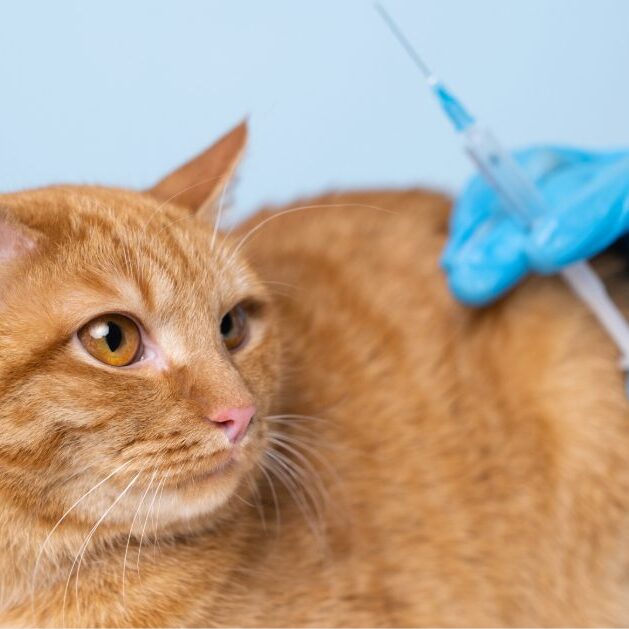
Cat vaccinations protect your feline companion from serious and sometimes life-threatening diseases, including rabies, feline leukemia, and feline distemper. At Ashby Animal Clinic in Harrisonburg, we build a personalized cat vaccination schedule around your cat’s age, lifestyle, and risk factors, so their immune system stays strong for years to come. Whether you’ve just brought home a new kitten or you’re due for your adult cat’s annual wellness visit, understanding why vaccinations matter can help you feel confident about your cat’s care.
Why Are Cat Vaccinations Important?
Vaccinating your cat does more than satisfy a checklist at your vet visit. Vaccines train your cat’s immune system to recognize and fight off dangerous viruses and bacteria before they take hold. Without proper cat vaccinations, even an indoor-only cat can be vulnerable to airborne viruses, illnesses carried in on shoes and clothing, or exposure during a boarding stay or vet visit. For cats that spend any time outdoors, the risks multiply to include exposure from other animals, wildlife, and contaminated environments.
Beyond protecting your own cat, widespread cat vaccination also supports community-level protection, sometimes called herd immunity, which helps reduce the spread of contagious diseases among the broader pet population in Harrisonburg and the Shenandoah Valley.
What Vaccines Does My Cat Need?
Not every cat needs the exact same vaccines. Our team at Ashby Animal Clinic generally divides cat vaccinations into two categories: core vaccines, which are recommended for nearly all cats, and non-core vaccines, which depend on your cat’s specific lifestyle and exposure risk.
Core Vaccines for Cats
Core cat vaccinations are considered essential for virtually every cat, regardless of whether they live strictly indoors or spend time outside. These vaccines protect against diseases that are widespread, highly contagious, or potentially fatal.
- Feline viral rhinotracheitis, calicivirus, and panleukopenia (often combined into a single FVRCP vaccine)
- Rabies, which is required by law in Virginia for cats of a certain age
- Feline leukemia virus (FeLV), typically recommended for kittens and at-risk adult cats
Non-Core (Lifestyle) Vaccines
Non-core vaccines for cats are recommended based on individual risk factors, such as outdoor access, exposure to other animals, or travel. During your cat’s wellness exam, our veterinary team will discuss your cat’s daily life and help determine whether additional vaccines make sense for their specific situation.
When Should Kittens Start Getting Vaccinated?
Kitten vaccinations typically begin around six to eight weeks of age, once the natural immunity passed down from the mother starts to wane. From there, kittens usually need a series of booster vaccines every three to four weeks until they reach about sixteen weeks old. This staggered schedule ensures your kitten builds reliable immunity at each stage of development. Our team at Ashby Animal Clinic can walk new kitten owners through the full vaccination timeline during the first wellness visit.
How Often Do Adult Cats Need Booster Vaccinations?
Once your cat completes the initial kitten vaccination series, most cat vaccines move to a booster schedule, ranging from annually to every three years depending on the specific vaccine and your cat’s risk level. Rabies vaccine intervals, for example, are often set by Virginia state guidelines, while other vaccines may be tailored more individually. Keeping a record of your cat’s vaccination dates makes it easier to stay on schedule, and our team will send reminders as each booster comes due.
Are There Side Effects of Cat Vaccinations?
Most cats tolerate vaccinations well, with only mild, short-lived effects such as slight tenderness at the injection site, low energy, or a small decrease in appetite for a day or so. Serious reactions are uncommon. If you notice swelling that doesn’t go down, repeated vomiting, difficulty breathing, or unusual behavior after a vaccine appointment, contact Ashby Animal Clinic right away so our veterinary team can evaluate your cat.
What Happens If I Skip My Cat’s Vaccinations?
Skipping or delaying cat vaccinations leaves your cat more vulnerable to preventable diseases, some of which can be severe or fatal, particularly in kittens, senior cats, or cats with underlying health conditions. An incomplete vaccination history can also create complications if you ever need to board your cat, move to a new home, or travel together. A few signs it may be time to get your cat’s vaccinations back on track include:
- It has been more than a year since your cat’s last wellness exam
- You recently adopted a cat with an unknown vaccination history
- Your cat’s lifestyle has changed, such as gaining outdoor access or a new animal joining the household
Building a Healthier Future for Your Cat, One Visit at a Time
Cat vaccinations are one of the simplest, most effective tools for giving your cat a long, comfortable life. Whether you’re scheduling a kitten’s first round of shots or catching up on overdue boosters, the veterinary team at Ashby Animal Clinic in Harrisonburg is ready to design a vaccination plan that fits your cat’s individual needs. Call (540) 433-9174 or use the online form to book an appointment today and take the next step in your cat’s preventive care.
About Us
Ashby Animal Clinic has proudly served the Harrisonburg community for over 50 years, offering personalized veterinary care for pets at every stage of life. With a dedicated team and a wide range of services, we focus on providing individualized attention and advanced medical support to every patient.
Have questions after reading this blog or need to schedule care for your pet? Call Ashby Animal Clinic or request an appointment online. We’re here to help!