Cat Drooling: Is It Normal or a Sign of a Problem?
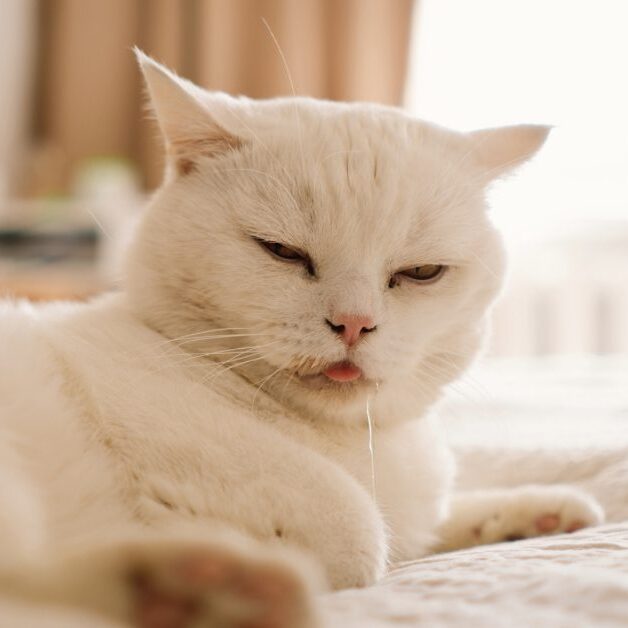
A little cat drooling can be completely normal, especially when it happens during purring, kneading, or a deep state of relaxation. However, sudden, frequent, or heavy cat drooling can also signal an underlying issue that’s worth looking into. At Ashby Animal Clinic in Harrisonburg, we often hear from pet owners wondering whether their cat’s drooling is harmless or a sign something else is going on, so let’s walk through what’s typical and what’s not.
Why Do Cats Drool When They’re Happy Or Relaxed?
Many cats drool a little when they’re extremely content, often while kneading a blanket, curling up in a lap, or purring contentedly. This type of cat drooling is generally tied to relaxation and isn’t a cause for concern on its own. Some cats are simply more prone to this kind of happy drooling than others, and it tends to be consistent and mild rather than sudden or excessive.
What Other Causes Of Cat Drooling Are Considered Normal?
Beyond contentment, a few other everyday situations can lead to mild, temporary drooling in cats.
Stress Or Anxiety
Car rides, vet visits, or unfamiliar environments can cause some cats to drool temporarily due to nervousness. This typically resolves once your cat settles into a calmer environment.
Motion Sickness
Similar to stress-related drooling, motion sickness during travel can trigger excess saliva production along with other signs like lethargy or vocalizing.
When Is Cat Drooling A Sign Of A Problem?
Cat drooling becomes more concerning when it appears suddenly, increases in volume, or shows up alongside other symptoms. Several underlying issues can cause excessive drooling in cats, and identifying the pattern can help your veterinarian narrow down the cause.
- Dental disease, such as gum inflammation, tartar buildup, or a painful tooth
- Oral injuries, foreign objects stuck in the mouth, or burns from chewing on something irritating
- Nausea related to digestive upset or other internal health concerns
What Other Symptoms Should I Watch For Alongside Drooling?
Because drooling on its own can mean many different things, paying attention to accompanying symptoms helps clarify whether a vet visit is needed soon. Symptoms may include:
- Bad breath, pawing at the mouth, or visible redness around the gums
- Decreased appetite or noticeable difficulty chewing
- Lethargy, hiding, or other changes in normal behavior
Can Certain Cat Breeds Drool More Than Others?
While drooling isn’t tied to specific breeds the way it is in some dog breeds, individual cats simply vary in how much they drool when content. If your cat has always been a mild, happy drooler with no other symptoms, that pattern is likely just part of their normal behavior. A noticeable change from your cat’s usual baseline is generally the more important detail to track.
When Should I Bring My Cat To The Vet For Drooling?
If your cat’s drooling is new, sudden, heavy, or paired with any of the symptoms above, it’s worth scheduling an exam. Dental disease in particular is a common, treatable cause of cat drooling, and catching it early can prevent more painful complications down the road. Our veterinary team at Ashby Animal Clinic can examine your cat’s mouth and overall health to determine what’s behind the change.
Helping Your Cat Feel Comfortable Again
Occasional, happy drooling is simply part of who some cats are, but a sudden or persistent change deserves a closer look. If you’re noticing new cat drooling along with other symptoms, our team at Ashby Animal Clinic in Harrisonburg is here to help you get to the bottom of it. Call (540) 433-9174 or use the online form to book an appointment today so we can check your cat’s mouth and overall health.
About Us
Ashby Animal Clinic has proudly served the Harrisonburg community for over 50 years, offering personalized veterinary care for pets at every stage of life. With a dedicated team and a wide range of services, we focus on providing individualized attention and advanced medical support to every patient.
Have questions after reading this blog or need to schedule care for your pet? Call Ashby Animal Clinic or request an appointment online. We’re here to help!