
Can Dogs Eat Bananas? What Veterinarians Want You to Know
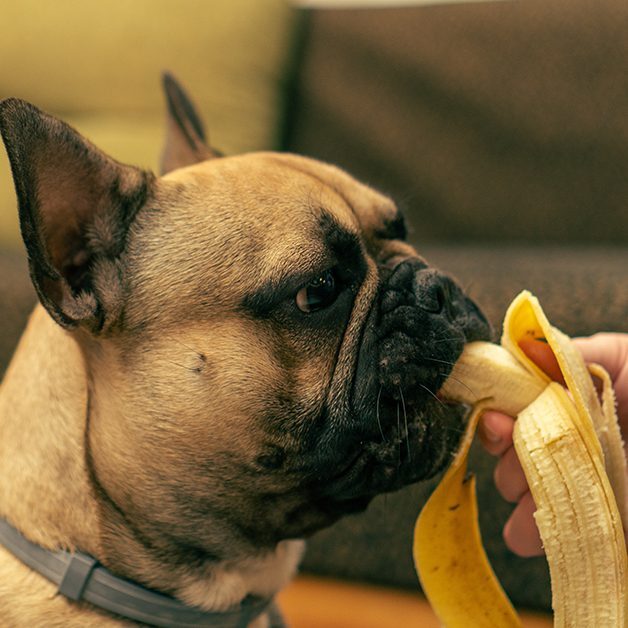
Yes, dogs can eat bananas in moderation. Bananas are a safe, low-fat fruit that most healthy dogs enjoy as an occasional treat, but their natural sugar and tough peel mean portion size and preparation matter. If you have ever peeled one in the kitchen and caught your pup staring up at you with hopeful eyes, you already know how tempting it is to share. Pet owners across Harrisonburg ask our team some version of the same question every week: can dogs eat bananas without any risk? The answer is mostly good news, with a few details worth understanding first. At Ashby Animal Clinic, we believe smart treat choices start with knowing what a food offers and where its limits are. In this guide, we walk through the nutritional upside of bananas, the situations where they may not be the right fit, how much is reasonable for different dogs, and simple ways to serve this sweet snack.
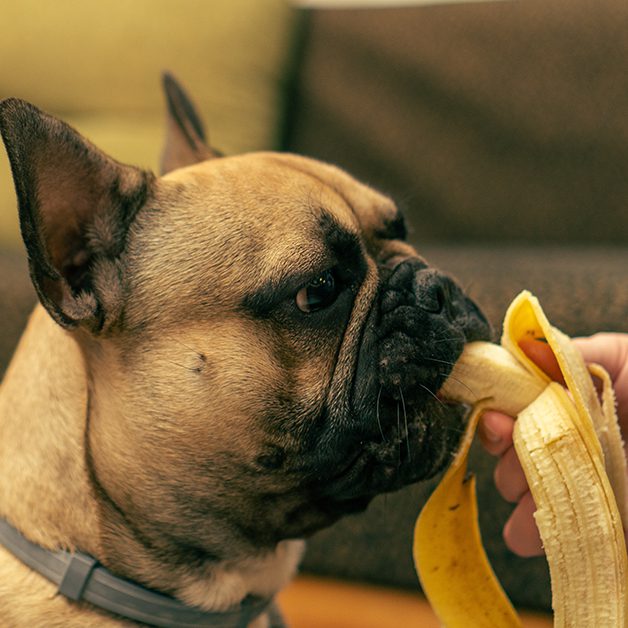
Are Bananas Good for Dogs?
Bananas can be a healthy treat for dogs when they make up a small part of an otherwise balanced diet. They are naturally low in fat, sodium, and cholesterol, which makes them a lighter choice than many store-bought biscuits or table scraps.
Nutrients Found in Bananas
A ripe banana packs several vitamins and minerals that support a dog’s overall health. While your dog’s complete and balanced food should supply most of these already, a few slices of banana can add a little variety. Key nutrients include:
- Potassium: Supports normal muscle function, nerve signaling, and fluid balance.
- Vitamin B6: Plays a role in metabolism, red blood cell production, and nervous system health.
- Vitamin C: An antioxidant that contributes to immune function.
- Magnesium: Helps the body absorb other vitamins and supports bone growth.
- Dietary fiber: Aids healthy digestion and regular bowel movements.
A Lighter Option Than Processed Treats
Many owners who search “can dogs eat bananas” are really looking for a lighter reward. Many commercial dog treats contain added fats, artificial flavors, and preservatives. Fresh fruit offers a simpler alternative for owners who want to reward good behavior without extra additives. Bananas are also soft and easy to chew, so senior dogs with dental sensitivity or puppies who are still learning to eat solid snacks often find them easy to manage.
Another advantage is convenience. Bananas are inexpensive, available year-round, and require no cooking. That makes them a practical training reward or a refreshing snack on a warm Shenandoah Valley afternoon. Still, the benefits only hold up when bananas stay in the “occasional treat” category. When owners wonder whether dogs eat bananas safely, the real answer depends less on the fruit itself and more on how much and how often it lands in the bowl.
When Are Bananas Bad for Dogs?
Asking “can dogs eat bananas” is only half the picture, because the fruit is not right for every pet in every situation. Bananas become a problem for dogs when portions grow too large, when the peel is involved, or when a dog has a health condition that sugar can affect. Knowing these risks helps you decide whether this fruit belongs in your pet’s treat rotation.
The Trouble With Banana Peels
Banana peels are not toxic, but they are tough, fibrous, and difficult for dogs to digest. A dog that swipes a peel from the trash or the counter may experience stomach upset. In larger amounts, a peel can even contribute to an intestinal blockage, especially in small breeds. Always remove the peel before sharing, and store compost or garbage where curious noses cannot reach it.
Natural Sugar Adds Up Quickly
A medium banana contains roughly 14 grams of sugar and about 105 calories. For a 20-pound dog, a whole banana represents a surprisingly large share of daily energy needs. Feeding too much fruit too often can lead to weight gain, and excess fiber may cause gas, loose stool, or constipation.
Dogs That May Need to Skip Bananas
Some pets are better off avoiding bananas entirely or eating them only with a veterinarian’s approval. Talk with your vet before offering bananas if your dog has:
- Diabetes or trouble regulating blood sugar
- Obesity or an active weight-loss plan
- Chronic kidney disease, since potassium levels may need careful monitoring
- A sensitive stomach or a history of pancreatitis
- Known food allergies or a prescription diet
If your dog shows vomiting, diarrhea, abdominal pain, or lethargy after eating bananas or a peel, contact your veterinarian promptly rather than waiting it out.
How Much Banana Can a Dog Eat?
Healthy dogs eat bananas best in small, measured amounts. Most veterinarians recommend that treats, including fruit, make up no more than 10 percent of a dog’s daily calories. The remaining 90 percent should come from a complete and balanced diet formulated for your dog’s life stage and size.
Portion Guidelines by Size
Because a dog’s calorie needs vary with weight, age, and activity, banana servings should scale accordingly. As a general starting point, small breeds like Chihuahuas or Yorkshire Terriers may do well with one or two thin slices. Medium dogs such as Beagles or Cocker Spaniels can usually handle a few slices, while large breeds like Labradors might enjoy up to half of a banana on an occasional basis. These amounts are rough estimates, not prescriptions, so your veterinarian can help fine-tune portions based on your dog’s body condition.
How Often Is Too Often?
Frequency matters as much as portion size. Offering banana a couple of times per week is plenty for most healthy dogs. Daily servings can quietly add calories and sugar that show up on the scale over time, particularly for less active or older pets.
Introduce New Foods Gradually
Even when the answer to “can dogs eat bananas” is yes, every dog’s digestive system is a little different. Start with a single small piece and watch for changes in appetite, stool, or energy over the next day. A slow introduction makes it easier to spot sensitivities early. If you notice anything unusual, set the fruit aside and check in with your veterinary team before trying again. Puppies, in particular, benefit from a cautious approach since their stomachs are still adjusting to new foods.
How to Serve Bananas for Dogs
Once you have settled whether your dog can eat bananas, preparation becomes the next priority. The best way to serve bananas to dogs is fresh, peeled, and cut into bite-sized pieces that match your pet’s size. Simple preparation keeps the snack safe and reduces the chance of choking.
Easy, Dog-Friendly Serving Ideas
Plain banana slices work well on their own, but a little creativity can make treat time more engaging. A few options many dogs love:
- Frozen banana coins: Slice and freeze for a cool, crunchy summer snack.
- Mashed banana in a puzzle toy: Spread a thin layer inside a rubber chew toy to encourage enrichment and slower eating.
- Training bites: Cut tiny pieces to use as high-value rewards during short practice sessions.
- Food topper: Add a small spoonful of mashed banana on top of regular kibble for occasional variety.
Banana Products to Avoid
Not every banana-flavored item is suitable for pets. Banana bread, muffins, and baked goods often contain sugar, butter, raisins, chocolate, or nutmeg, and some sugar-free recipes include xylitol, which is extremely dangerous for dogs. Store-bought banana chips are typically fried and sweetened, and banana-flavored yogurts or ice creams may contain dairy or artificial sweeteners. Peanut butter and banana pairings are popular, but always confirm the peanut butter is free of xylitol before sharing.
When in doubt, stick with fresh fruit and skip anything processed. Plain is always the safest way for dogs to eat bananas, and it keeps the focus on the natural nutrients that make this fruit appealing in the first place.
Get Personalized Nutrition Guidance From Ashby Animal Clinic
Bananas can be a wholesome, budget-friendly treat for many dogs, but the right amount depends on your pet’s age, size, weight, and health history. What works well for an active young retriever may not suit a senior dog managing diabetes or kidney concerns. If you are still wondering whether dogs eat bananas safely in your household, a quick conversation with your veterinarian can provide clarity.
The team at Ashby Animal Clinic in Harrisonburg, VA, is happy to review your dog’s diet, recommend healthy treat options, and help you build a feeding plan that supports a long, active life. Whether you have questions about fruits, vegetables, or weight management, we are here to help. Call us at to schedule a wellness visit or nutrition consultation for your dog.
About Us
Ashby Animal Clinic has proudly served the Harrisonburg community for over 50 years, offering personalized veterinary care for pets at every stage of life. With a dedicated team and a wide range of services, we focus on providing individualized attention and advanced medical support to every patient.
Have questions after reading this blog or need to schedule care for your pet? Call Ashby Animal Clinic or request an appointment online. We’re here to help!