Uncategorized
8 Early Signs of Kidney Disease in Cats Every Owner Should Watch For

The most common early sign of kidney disease in cats is increased thirst paired with more frequent urination, often followed by gradual weight loss and a pickier appetite. Because cats are experts at hiding illness, these changes can be subtle and easy to dismiss as normal aging. Kidney disease is one of the most frequently…
Read MoreDog Vomiting White Foam? 7 Common Causes and How To Help Your Pet

A dog vomiting white foam is usually bringing up a mix of saliva, air, and stomach fluid, often because the stomach is empty or irritated. A single episode is not always serious, but repeated vomiting or foam paired with other symptoms can signal a condition that needs prompt veterinary care. Few things get a pet…
Read MoreCan Dogs Eat Bananas? What Veterinarians Want You to Know

Yes, dogs can eat bananas in moderation. Bananas are a safe, low-fat fruit that most healthy dogs enjoy as an occasional treat, but their natural sugar and tough peel mean portion size and preparation matter. If you have ever peeled one in the kitchen and caught your pup staring up at you with hopeful eyes,…
Read MoreWhat Causes Bad Breath in Dogs? 6 Causes and Treatment Options

That unmistakable wave of odor when your dog leans in for a kiss is usually the first clue that something’s off, and what causes bad breath in dogs most often comes down to dental disease, meaning plaque, tartar, and gum infection; though diet and underlying illness can play a role too. One day your dog’s…
Read MoreCat Drooling: Is It Normal or a Sign of a Problem?

A little cat drooling can be completely normal, especially when it happens during purring, kneading, or a deep state of relaxation. However, sudden, frequent, or heavy cat drooling can also signal an underlying issue that’s worth looking into. At Ashby Animal Clinic in Harrisonburg, we often hear from pet owners wondering whether their cat’s drooling…
Read More5 Steps for How to Spot a Tick on a Dog

How to spot a tick on a dog comes down to one simple habit: running your hands slowly over every part of your dog’s body, feeling for small bumps while parting the fur to look closely at the skin underneath. Ticks are small, often no bigger than a sesame seed before they feed, which makes…
Read MoreWhat Every Pet Owner Needs To Know About Cat Vaccinations
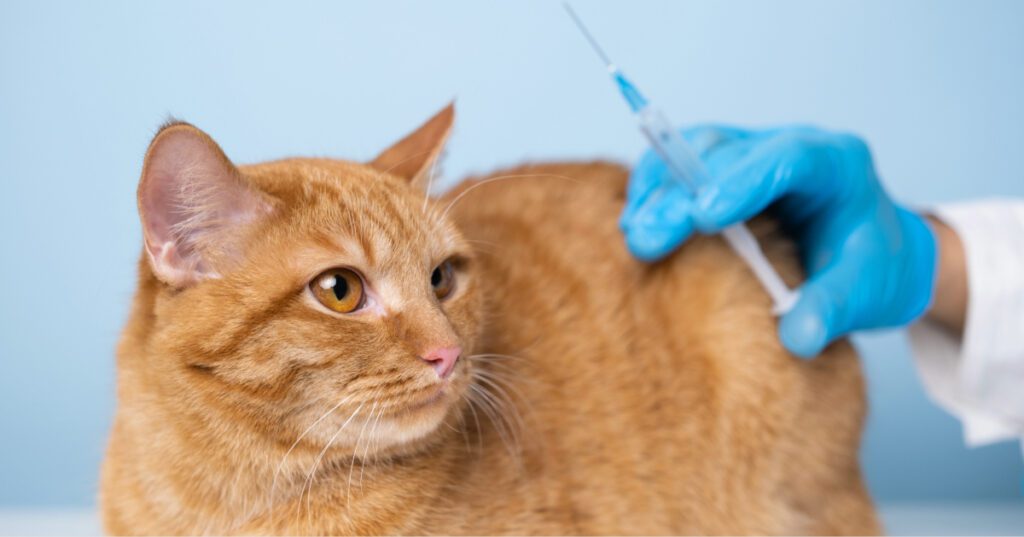
Cat vaccinations protect your feline companion from serious and sometimes life-threatening diseases, including rabies, feline leukemia, and feline distemper. At Ashby Animal Clinic in Harrisonburg, we build a personalized cat vaccination schedule around your cat’s age, lifestyle, and risk factors, so their immune system stays strong for years to come. Whether you’ve just brought home…
Read MoreWhen Is The Best Time To Neuter A Dog?
Most dogs can be neutered starting around six months of age, but answering, “When can you neuter a dog?” really depends on breed, size, and overall health. Knowing when you can neuter a dog isn’t a one-size-fits-all answer, which is why our veterinary team at Ashby Animal Clinic in Harrisonburg works with each pet owner…
Read MoreTreatment for Kennel Cough in Dogs: Causes, Symptoms, and Recovery

Treatment for kennel cough in dogs typically involves rest, supportive care, and, in some cases, prescription medication to address secondary infection or inflammation. Kennel cough is a highly contagious respiratory illness that spreads easily wherever dogs gather closely together, such as boarding facilities, dog parks, or grooming salons. Our veterinary team at Ashby Animal Clinic…
Read MoreThrowing Up 101: Causes of Cat Vomiting and How to Help Your Pet

Cat vomiting is one of the most common concerns that brings cat owners to the veterinarian, and it is easy to understand why. Watching your cat throw up is never pleasant, and figuring out whether it is something minor or a sign of a serious health problem can feel overwhelming. Cat vomiting is defined as…
Read More